
What Does It Mean To Have An Integrated System?
When it comes to technology, having more equipment doesn't necessarily mean having a better system. In fact, if your audio, video, networking, security, and control systems aren't working together, you may end up with more complexity in place of better performance.
That's where an integrated system comes in.
What Is an Integrated System?
An integrated system is a group of technologies designed to work together as one cohesive solution rather than operating as separate pieces of equipment.
In AVS, that might mean connecting audio, video, control systems, networks, and other technologies so they can communicate and work together, seamlessly. In practice, this means having one or two systems to manage rather than many systems that each require different controls, making your technology easier to manage and use.
Why Does Integration Matter?
Simpler Operation
One of the biggest benefits of an integrated system is simplicity. Rather than requiring employees, teachers, or staff to navigate several different systems, integrated technology can bring multiple functions together through centralized controls. For example, a conference room could allow users to control displays, cameras, microphones, and other equipment from a single interface. This means fewer trainings, less confusion, and seamless operations.
Better Communication
Technology is ultimately about helping people communicate. An integrated system can help ensure that the right audio and visual information gets where it needs to go without requiring users to manually manage every individual component. When your systems work together, presentations, meetings, classrooms, and other environments can operate more efficiently.
Easier Expansion
Your school’s needs change over time, whether it’s a growing student body, sports expansion, expanded extracurricular demand, etc. Changing needs mean new technology. An integrated system can make it easier to add or update components as your organization's needs evolve.
Networked AV systems, for example, provide greater flexibility and scalability by allowing additional displays, audio sources, and control devices to be integrated into the existing network as needs change, rather than requiring an entirely new system.
This makes it easier to expand or update an AV system over time without replacing the entire setup, helping organizations adapt their technology as their spaces and needs evolve.
Integration Starts With Good Design
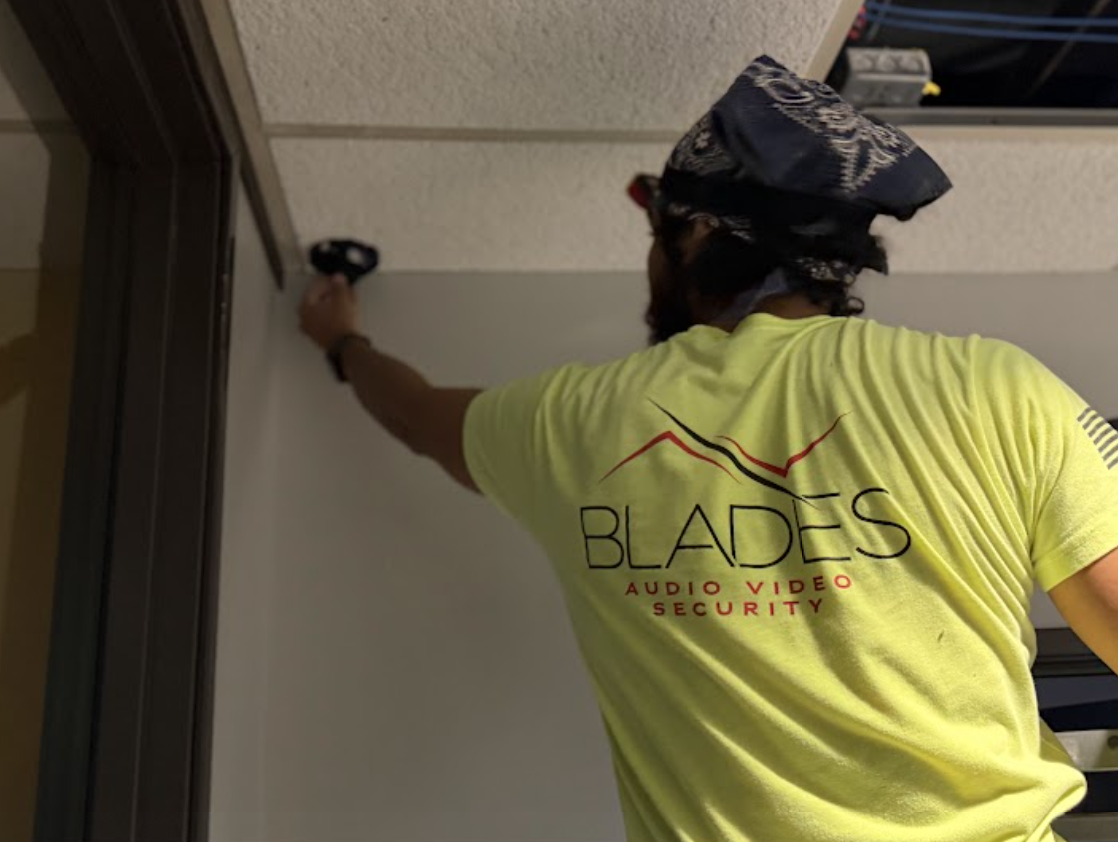
An integrated system is more than a collection of equipment connected together. It starts with a deep understanding of your school’s operations and thoughtful planning to create compatible technology that works for your teams. That's why the design process matters just as much as the equipment itself. At Blades AV, our team provides system design, installation, training, and ongoing service and support to create solutions tailored to each facility's needs.
Is an Integrated System Right for Your Facility?
Whether you're designing a new conference room, upgrading your school campus, improving an athletic facility, or updating your organization's technology infrastructure, integration can help create a more connected and user-friendly environment.
At Blades AV, we look at the bigger picture to design systems around how your people actually use their space, so your technology works together instead of working against you. Ready to get started? Reach out to one of our AVS experts today.