
Why Preventive Maintenance Matters More Than Emergency Repairs
In schools, offices, and public facilities, audio, video, and security systems are often expected to “just work.” Morning announcements go out, meetings run smoothly, games start on time, and doors stay secure. But when systems are only addressed after something breaks, the result is usually stress, disruption, and higher costs than anyone planned for.
That’s where preventive maintenance comes in.
The Cost of Waiting for Something to Break
Emergency repairs often come with urgency, limited options, and higher expenses: a failed microphone before a board meeting, a camera outage during a security incident, or an audio issue minutes before a game. The impact goes beyond the repair itself. Staff lose valuable time troubleshooting instead of focusing on their roles. Events are disrupted. Safety concerns escalate. What could have been a small adjustment becomes a bigger problem simply because it wasn’t caught early.
Preventive maintenance shifts this focus from reacting to preparing.
What Preventive Maintenance Actually Looks Like
Preventive maintenance isn’t about constant upgrades or replacing systems prematurely. Rather, your trusted partner will perform regular check-ins that ensure equipment is clean, functional, and performing as expected.
This typically includes:
Inspecting speakers, microphones, and amplifiers for wear
Verifying camera clarity, coverage, and recording settings
Testing access control points and intercoms
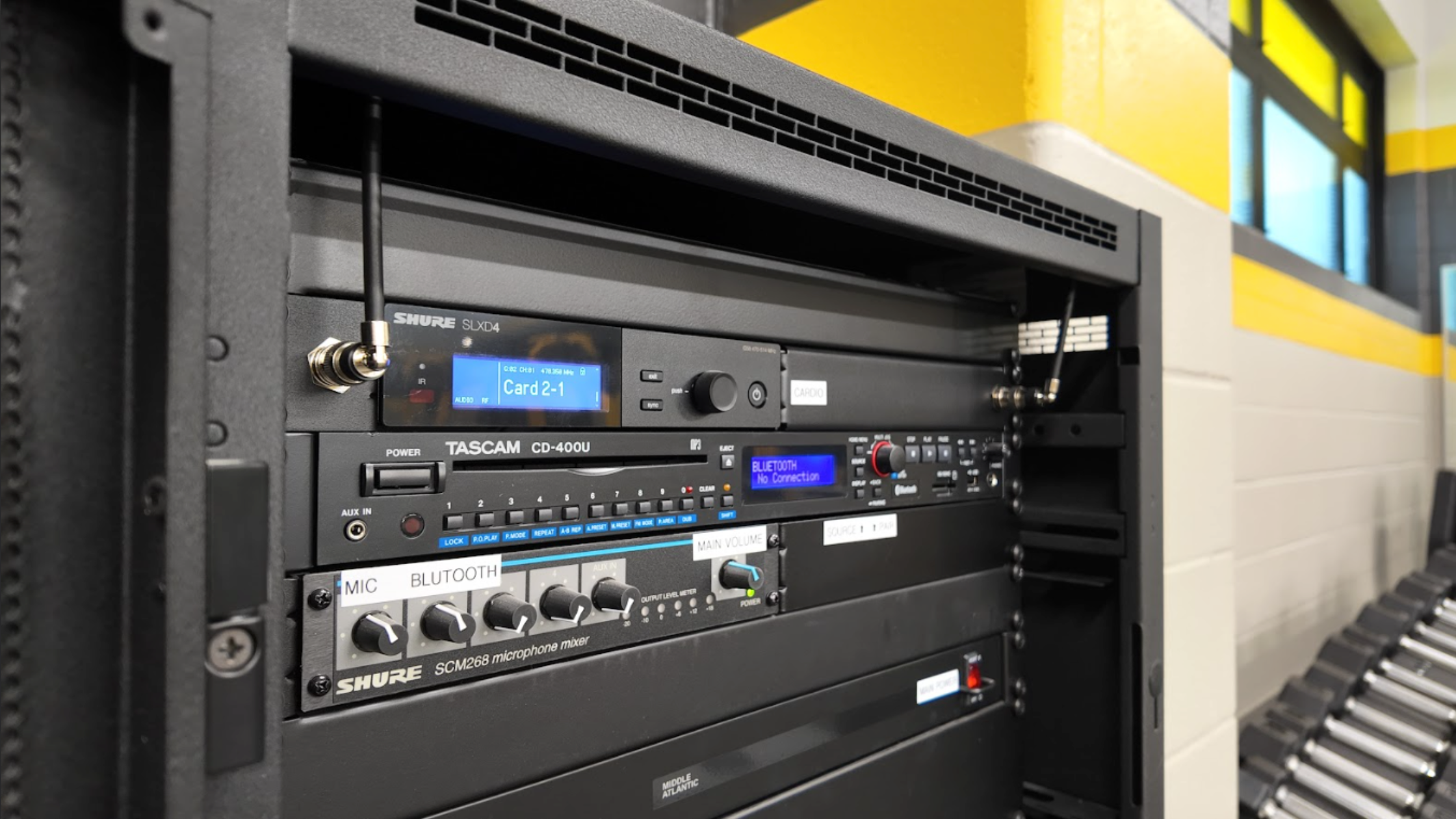
Cleaning racks, checking cables, and confirming connections
Identifying aging components before failure occurs
These small, intentional reviews help extend system life and reduce unexpected downtime.
Fewer Disruptions for Better Experiences
When systems are maintained proactively, technology fades into the background—right where it belongs. Teachers can focus on instruction, administrators can lead meetings without technical distractions, and facilities teams can work from a plan instead of a crisis. Preventive maintenance also allows organizations to minimize disruption and schedule work during low-impact times, such as breaks or off-hours.
Smarter Budgeting and Long-Term Planning
One of the most overlooked benefits of preventive maintenance is the clarity it provides. Regular evaluations give organizations a clear understanding of how their systems are performing, which components are nearing the end of their lifecycle, and where future investments will have the greatest impact. This means that budgets become more intentional as preventative maintenance turns reactive spending into strategic planning.
Technology That Supports Your Mission
At its best, preventive maintenance is about more than your equipment. With the right set up, your systems can support communication, safety, and connection across classrooms, offices, and community spaces.
By investing a little time and attention before problems arise, you can ensure your technology supports and uplifts your teams and their mission. Emergency repairs will always be part of technology management, but when preventive maintenance is the priority, they become the exception, not the rule.
Want to see how your systems can go further with preventive maintenance? Reach out to our AVS engineering experts today.